From late November until about February, the gachhis of Jashore climb date palms in the late afternoon. They shave a thin strip of bark near the crown, fix a bamboo spout and hang a clay pot underneath. The sap drips into it all night.
Why only in winter
Date palm sap flows best when the nights are cold. The colder the night, the sweeter and clearer the sap, which is why the best gur arrives in Poush and Magh.
From sap to gur
The pots come down before the sun warms them, and the sap goes straight into wide pans over a wood fire. It boils for hours and is stirred until it thickens.
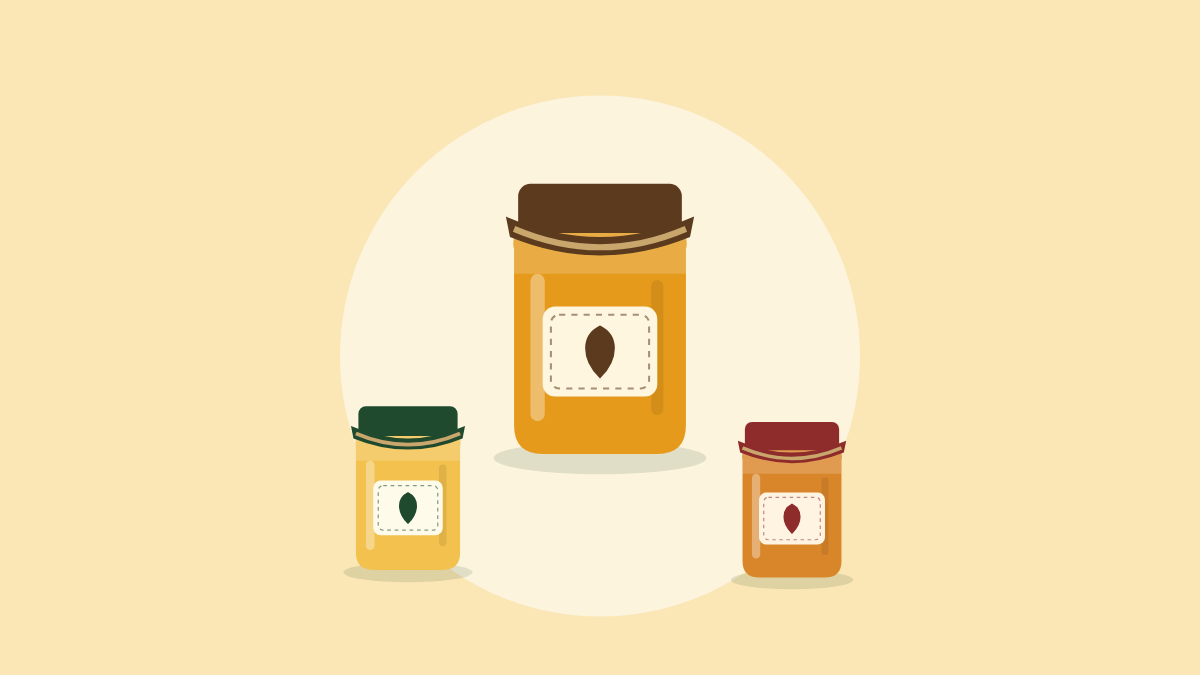
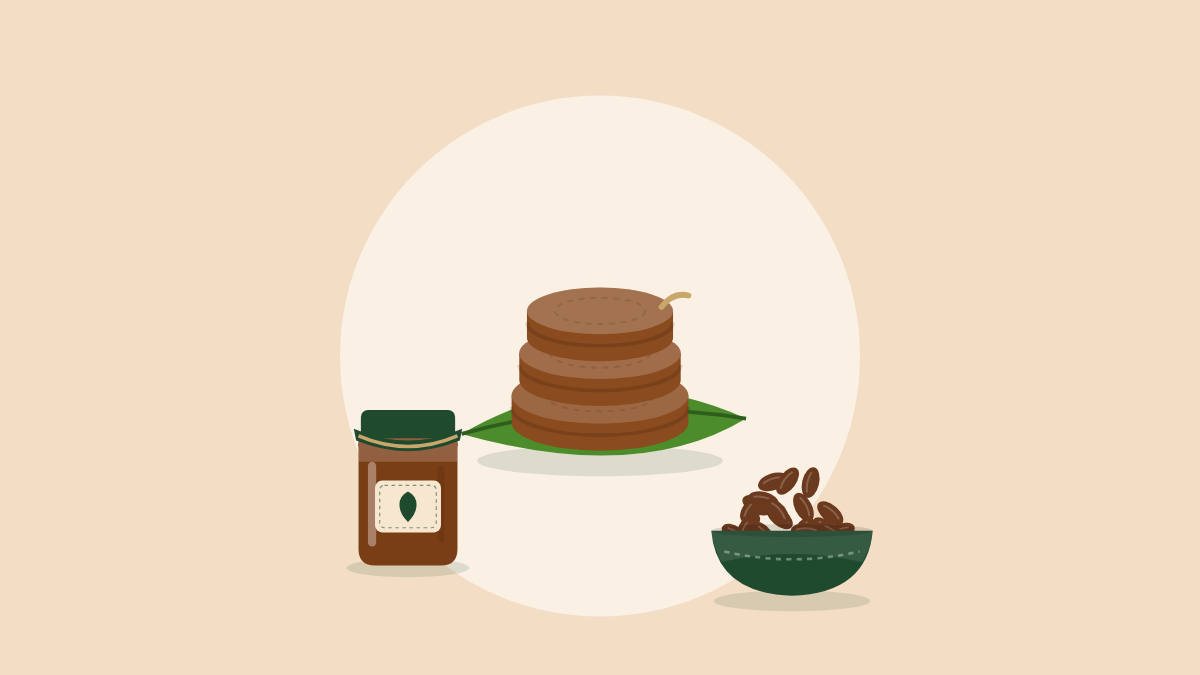
- Jhola gur comes off the fire first, while it still pours.
- Dana gur cooks a little longer and sets into a soft, grainy paste.
- Patali gur cooks longer still and is poured into moulds to set into cakes.
How to spot good gur
Real khejur gur is deep brown, smells of smoke and caramel, and is soft enough to break with your fingers. Very pale, hard gur is often mixed with sugar to stretch less sap into more gur. Some makers also add hydros to make gur look lighter, so a colour that looks too bright is a reason to ask questions.
A word on raw sap
Drinking fresh khejur rosh is a winter tradition, but bats drink from the open pots at night and can pass the Nipah virus into the sap. IEDCR advises everyone not to drink raw date palm sap. Gur is boiled for hours, so it is safe.
Keeping it fresh
Jhola gur ferments if it is left out, so keep it in the fridge and use a dry spoon. Patali keeps for weeks in an airtight box on a cool shelf, and for months in the fridge.
Try it: stir a spoon of jhola gur into hot milk with a pinch of salt, or pour it over warm chitoi pitha.